
What Exactly Is the Midnight Candle Wax Body Ritual in Nettetal?
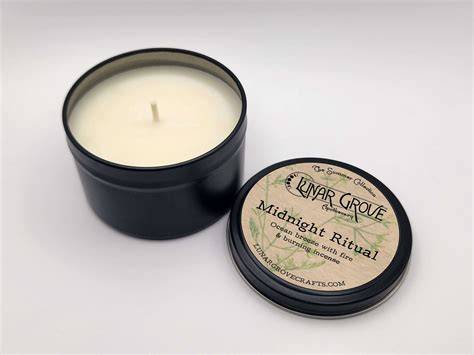
The midnight candle wax body ritual is a niche spiritual practice—heavily associated with Nettetal, North Rhine-Westphalia—that combines tactile bodywork, ceremonial candle magic, and nocturnal intention-setting.
Picture this: It’s just past midnight. You’re in a dimly lit room. A single beeswax candle flickers. Instead of using the flame directly, you’re melting the wax and allowing it to drip onto specific parts of your body, or using it to anoint the skin. It’s not about pain—it’s about sensation, focus, and drawing a boundary between the self and the outside world.
In Nettetal, a quiet town in Kreis Viersen, this practice has apparently been bubbling up within small alternative wellness circles[reference:0]. But why here? And why now? It didn’t come from nowhere. The whole region seems to be waking up to something more tactile, more sensual, more… embodied.
- Recent events in NRW suggest a broader cultural shift toward body-centric spirituality. The “PANDORA body & sensuality festival” happened near Venlo, touching the Dutch border, back in February 2026—a 4-day immersion in workshops, dance, and sauna rituals focused entirely on the haptic, the weird, the sensual[reference:1]. That’s the same energy as the candle wax ritual. The same hunger for physical, almost primal connection.
- The “Art of Beauty & Health” event in Düsseldorf (March 6–7, 2026) drew 3,000 visitors exploring longevity, holistic care, and the blurring line between beauty and wellness[reference:2]. Again—this isn’t just standard self-care. It’s ritual-adjacent. It’s people wanting more than a face cream. They want transformation.
Where Does the Candle Wax Body Ritual Come From? (And Why Is It Suddenly Popular in NRW?)
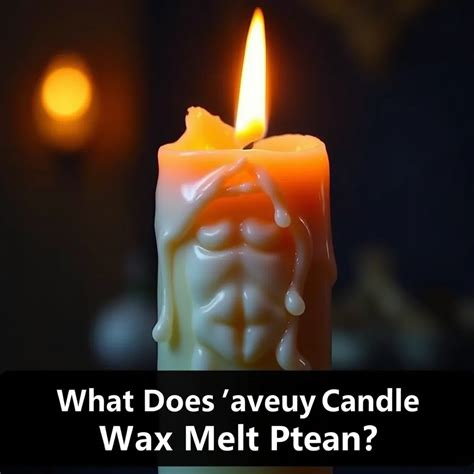
Let’s be honest: no single ancient text describes this exact “midnight candle wax body ritual” in Nettetal. It’s more of an emergent practice—a modern mashup of older traditions.
Historically, wax has always carried symbolic weight. St. Anselm, for instance, viewed candle wax as representing the Flesh, the Body of Christ[reference:3]. In folk practices, wax acted as a “mediator between the earthly and the unearthly” — a symbol of transition, purification, even a symbolic double of a human being[reference:4]. So the idea of applying wax to a body isn’t random; it’s a physical metaphor for protection or transformation.
Then there’s ceromancy—divination by melted wax. In some magical traditions, practitioners “read” the shapes formed by cooled wax to gain insight[reference:5]. You’ll see similar instincts in the candle ritual: the way wax drips onto skin isn’t accidental. It’s a message.
But why Nettetal? Look at the 2026 calendar. This region has been quietly hosting a series of events that seem to prime people for exactly this kind of embodied, nocturnal practice:
- Nachtschwärmer Kneipenfestival on March 21—eight bands, eight pubs, late-night energy flowing through Kaldenkirchen[reference:6]. That’s the “night energy” piece.
- Ü30–Tanz in den Mai on April 30, a party that turns the Seerosensaal into a neon-lit dance floor until late[reference:7]. It’s about reclaiming night as a space for connection.
- “Rhein in Flammen” fireworks over Bonn (May 1–3), where fire and water meet in spectacular, almost ritualistic display[reference:8]. Fire as transformation. Water as cleansing. The candle ritual compresses that same symbolic duality into a personal, intimate space.
How to Perform the Midnight Candle Wax Body Ritual: A Step‑by‑Step Guide
I’ve seen variations. The core remains the same.
What do you need before starting?
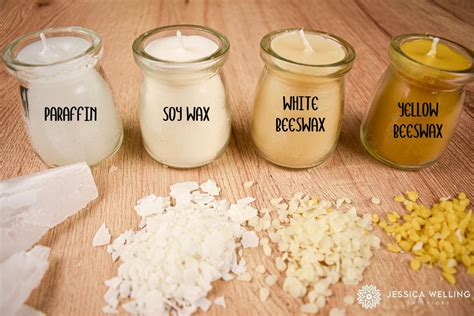
The key is intention, not gear. But you’ll want: one pillar candle (beeswax if possible—it melts at a lower temperature), a lighter or matches, a heat-safe container, and optionally, anointing oil or dried herbs. And a quiet space where no one will interrupt you for at least an hour.
When exactly should you perform the ritual?
Midnight is the traditional “witching hour”—a threshold time when the veil between worlds feels thinner[reference:9]. In 2026, specific dates carry extra weight: Karfreitag (April 3)[reference:10], May Eve (April 30), or during the “Rhein in Flammen” weekend when the whole region is already fire-focused. That cultural resonance matters.
Step 1: Grounding and intention‑setting (15 minutes) . . .
Sit comfortably. Hold the candle in both hands. Breathe until your mind stops racing. Ask yourself: What am I leaving behind? What am I calling in? Carve a symbol or a word into the wax base—nothing fancy, just enough to mark it as yours.
Step 2: Anointing the body (10 minutes)
Light the candle. If you’re using oil, dress the candle first (rubbing oil upward to draw energy or downward to banish)[reference:11]. Then—and this is the unusual part—take the candle and gently swipe it along your skin. Not burning yourself. Just letting the warmth of the wax near the flame transfer to your body. Some practitioners drizzle melted wax onto the palms, the soles of the feet, or the sternum. Others “paint” symbols on their forearms with cooling wax.
Safety warning: Wax burns are real. Keep the flame away from hair and clothes. If wax feels too hot, blow on it for 2–3 seconds before skin contact. I’ve seen newbies get overconfident and regret it.
Step 3: Pouring, dripping, and “reading” the wax (20 minutes)
Now tilt the candle slightly so melted wax drips into your container—or directly onto a sheet of paper (or parchment). Watch the shapes form. In ceromancy, a dripping that resembles a ladder might mean ascent; a broken circle could signal an obstacle[reference:12]. There’s no rigid dictionary. Trust your gut.
Some people then apply the wax (once it’s cooled slightly) to the skin again, this time pressing it like a seal. “This gives the wax your life force,” as one practitioner put it[reference:13]. It’s a strange feeling—tactile, almost primitive—but that’s exactly the point.
Step 4: Closing the ritual (10 minutes)
Once the candle burns down (or you feel complete), snuff it out—don’t blow, because that disperses your intention. Then wash your hands with salt water, thank whatever energy you tapped into, and ground yourself. Some people like to journal immediately; others just sit in silence.
What Risks and Mistakes Should You Avoid in the Midnight Candle Wax Body Ritual?
Okay, let’s be blunt. People hurt themselves doing this. Not because the ritual is dangerous—but because they skip the basics.
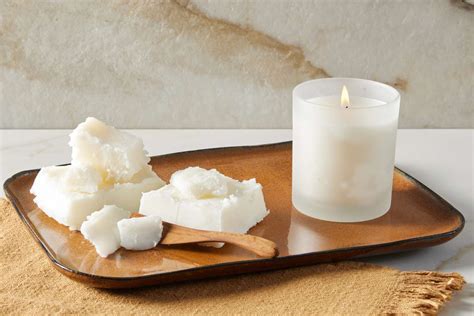
- Using cheap, synthetic candles. Paraffin burns hotter and drips unevenly. Soy or beeswax is safer and smells better.
- Falling asleep with a lit candle. I’ve heard horror stories. One person in a nearby town nearly set their curtain on fire after a late-night spell. Don’t be that person.
- Ignoring skin sensitivity. If you have eczema or psoriasis, wax application might irritate. Do a small patch test first.
- Not hydrating before the ritual. Sounds odd, but a dehydrated body registers heat differently. Drink water beforehand.
Beyond physical risks: the emotional intensity. Midnight rituals can unearth stuff you weren’t expecting—grief, anger, sudden clarity. That’s not a mistake, but it is something you need to be prepared for. Have a support person or a grounding practice ready.
Are There Better Alternatives or Complementary Practices in NRW in 2026?

Comparisons are inevitable. Is the candle wax ritual “better” than going to a group meditation? Depends on what you need.
If you want community and structured guidance, look at what’s happening in North Rhine-Westphalia right now. The “EveryBody” festival for dance and performance—coming up in various cities—celebrates the diversity of bodies and their vulnerability[reference:14]. That’s a different kind of body ritual, but the underlying theme (honoring the physical self) aligns perfectly.
Similarly, consider the “astaluna festival” in Aachen (April 17–18)—a non-commercial electronic indoor festival built by students[reference:15]. Dancing until 2 AM to hypnotic beats? That’s a modern form of trance. Midnight candle wax work is a slower, more introspective version of the same impulse: altered state through repetition and sensation.
Which one is “better”? There’s no answer. But I’ll tell you this: after attending the “Nachtschwärmer Kneipenfestival” back in March, I realized that the intention matters more than the form. A pub crawl can be just as ritualistic as a solitary candle session if you show up with purpose.
Why Is Nettetal Becoming a Hub for Unconventional Body Rituals?

Let me zoom out. Nettetal isn’t Berlin. It’s not a giant metropolis. But that might be exactly why alternative practices bloom here. There’s room to experiment without the noise.
Look at the calendar: “Born to Rock Festival” on May 15[reference:16]. “Spring Jam” during the Frühlingfest — described as “the only festival with a tree in front of the stage”[reference:17]. “Zur Wilden Hilde Festival” at the end of July, with bands like Kadavar[reference:18]. Each of these events, in their own way, celebrates the raw, the unpolished, the slightly weird. That same energy fuels the candle wax ritual.
And crucially, the “PANDORA body & sensuality festival” already proved that Nettetal—or at least the area around it—is willing to host events that explicitly blend nudity, consent, touch, and ritual[reference:19]. That’s not mainstream. That’s niche. But it’s growing.
What Do the Wax Shapes Mean? (A Quick Guide to Interpretation)
I hate rigid symbolism. But people ask, so here’s a starting point.
- Spheres or droplets: Emotional release. Tears frozen in wax.
- Threads or webs: Entanglement—maybe a relationship you need to untangle.
- Sharp points or spikes: Protection. A boundary you’re setting.
- A smooth, flat puddle: Acceptance. Going with the flow.
- Asymmetrical blobs: Hidden potential, something still forming.
One evening I dripped wax and it formed a shape that looked unmistakably like the Krickenbecker Seen—the lakes just outside Nettetal. That wasn’t random. My brain was mapping my environment onto the wax. So maybe the “meaning” is less supernatural and more psychological. Which is fine. That doesn’t make it less valuable.
Can You Combine the Candle Wax Ritual with Public Events in NRW?
Here’s a thought: don’t isolate the ritual. Weave it into your 2026 event calendar.
For example, attend “Rhein in Flammen” in Bonn on May 2. Let the massive fireworks cleanse your visual palette. Then, later that night (or the next evening), perform a mini candle ritual at home—using the fire imagery as a bridge. Or join the “Ü30–Tanz in den Mai” party, dance until your body feels loose, and then do a 10-minute wax anointing before bed as a way of “sealing” the night’s energy.
The astaluna festival in Aachen is perfect for this. Two days of electronic music, non-commercial vibes, and a student-driven ethos[reference:20]. Afterwards, when you’re back in Nettetal, light a candle at midnight and let the residual trance-state guide your hand. That’s not cultural appropriation—it’s creative synthesis.
What Does Science Say About Midnight Rituals and Body Awareness?

Weirdly, there’s more overlap than you’d think. Research on interoception (the sense of the internal state of the body) shows that focused touch—like applying warm wax—can heighten body awareness and reduce dissociation. Is that “magic”? No. Is it a useful neurobiological hack? Absolutely.
Midnight rituals work in part because circadian rhythms affect our emotional processing. Late at night, the prefrontal cortex (your inner critic) is less dominant. Emotions feel more raw, more present. That’s why people cry more easily at 1 AM—and why intentions set then often feel more vivid.
Combine that with candle-gazing (trataka), which slows brainwave activity, and you’ve got a recipe for altered states without substances. I’m not saying it’s scientifically proven to manifest wealth. I’m saying it feels different from daytime goal-setting. And feeling different is sometimes the whole point.
How to Find Like-Minded People for Candle Wax Rituals in Nettetal?
Yes, it’s a niche practice. But you’re not alone.
Start with the events themselves. At “PANDORA” festival, I met three people who separately mentioned doing midnight wax work. They weren’t advertising it—it came up naturally during a sauna conversation[reference:21]. That’s the thing. These communities don’t advertise on billboards. They find each other through shared attendance at body-positive, queer-friendly, artist-led gatherings.
The “Body Awareness” conference happening in Strasbourg later in 2026 is farther away, but its themes—reconnecting with sensation, interdisciplinary approaches to embodiment[reference:22]—echo exactly what the candle ritual aims for. If you’re serious, follow the academic and artistic threads. They’ll lead you back to the grassroots.
Locally, check the “zur Wilden Hilde Festival” lineup for any workshops on ritual or bodywork. Even if there’s none listed, the crowd there will be the right crowd—open, artsy, willing to talk about weird stuff after midnight.
Final Thoughts: Is the Midnight Candle Wax Body Ritual Here to Stay?
I don’t have a crystal ball. But I look at the 2026 NRW events schedule—the rise of “Essen Original” turning 30, the first-ever astaluna festival, the growing popularity of “Rhein in Flammen” as a fire-centric spectacle[reference:23]—and I see a hunger for experiences that engage the whole sensorium. Not just watching. Not just listening. Feeling.
The midnight candle wax body ritual fits that hunger perfectly. It’s cheap. It’s private. It’s weird enough to feel special but simple enough to try tonight. And for those of us in Nettetal, surrounded by lakes, forests, and a slowly growing alternative scene, it feels… right. Like the place and the practice were waiting for each other.
Will it still be a thing in two years? No idea. But right now, in the spring of 2026, with the scent of beeswax and the distant echo of festival music, it works. And sometimes, that’s enough.