
In 2026, Charleville-Mézières – a quiet commune in the Ardennes – is quietly becoming a powerhouse of sensory immersion. This isn’t your typical French getaway. It’s a layered, sometimes contradictory destination that rewards open-minded explorers with experiences ranging from extreme sensory deprivation to full-blown festival chaos. Let’s cut through the noise. Sensory immersion here means stripping away the everyday senses to heighten awareness of deep listening, authentic flavor, and body-mind recalibration. This article maps out how, exactly, to reach that state – and why you’ll want to block off a weekend (or three) to do it.
What exactly is sensory immersion for “open-minded explorers” in Charleville-Mézières?
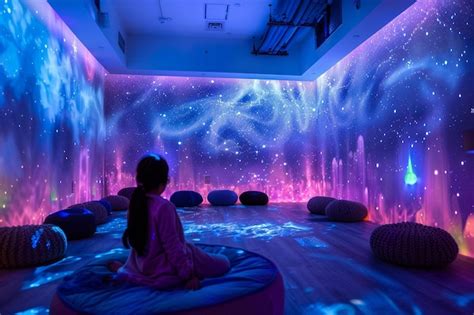
Sensory immersion in Charleville-Mézières is the deliberate exploration of perception itself – often by temporarily removing familiar sounds, sights, or tastes to intensify others. It’s for travelers who crave something beyond the typical tourist checklist.
Look, most people come to France for wine, cheese, and the Eiffel Tower. But the open-minded explorer? They’re after something rawer. In Charleville-Mézières, this means floating in pitch-black isolation tanks, walking barefoot through moss and mud, or standing in a crowd of 30,000 at a free concert. It’s about recalibrating your senses, not numbing them.
The key distinction: immersion isn’t passive consumption. It’s active engagement. You’re not just watching a puppet show – you’re following a string to its source, tracing the maker’s fingerprints. You’re not just tasting beer – you’re smelling the barley from local fields, hearing the glass clink at a pop-up apéro along the Meuse. That’s the heart of it. And Charleville-Mézières, for all its sleepy charm, delivers this in spades.
Here’s the surprise: after a weekend here, you might find yourself craving silence. Or maybe the opposite – a deeper need for human noise, for the clatter of a medieval fair, for the unexpected beat of Afro-Caribbean drums echoing off 17th-century stone. That’s the immersion talking.
Where can travelers disconnect completely for sensory reset in the Ardennes?
The most profound sensory immersion often starts with isolation – and Sel & Ô, the region’s first flotation spa, offers exactly that: 60 minutes in body-temperature saltwater, often in total darkness and silence.
About 40 minutes south of Charleville-Mézières, in Terron-sur-Aisne, lies a converted farmhouse that houses something remarkable. Sel & Ô is the Ardennes’ first – and still only – dedicated flotation spa . You step into a pod filled with roughly 40 centimeters of water so saturated with Epsom salts that you float like a cork. The water’s heated to skin temperature – around 35°C – so after a few minutes, you genuinely can’t tell where your body ends and the liquid begins .
What happens next depends on you. The first few minutes include gentle whale songs and slowly shifting colored lights – a gentle introduction for first-timers. Then the lights fade. The music stops. You’re alone in the dark, floating, weightless. The only sound is your own breath. Some people find it terrifying. Others? They find a quiet they didn’t know they were missing.
Vincent, the owner, runs the place with a kind of laid-back expertise – he’ll explain the basics, then leave you to it. Sessions last an hour, and the reported benefits include reduced anxiety, better sleep, relief from muscle soreness, and a surprising spike in creativity. Why creativity? Because when your left brain isn’t constantly processing external stimuli, the right brain gets room to wander. That’s the theory, anyway . I’ve tried it myself – and yeah, the first ten minutes are strange. Your brain keeps waiting for something to happen. Then, around minute 20, time starts to stretch. You lose orientation. It’s disorienting. And weirdly peaceful.
A word of warning: don’t shave on the day of your session. The salt water finds every micro-cut. And bring earplugs – though some people prefer not to use them, the saltwater can be unforgiving. The price hovers around €60–€70 for a 60-minute session. It’s not cheap, but it’s also not something you’re likely to find elsewhere in the region.
Which festivals in Charleville-Mézières offer the most immersive sensory experiences in 2026?
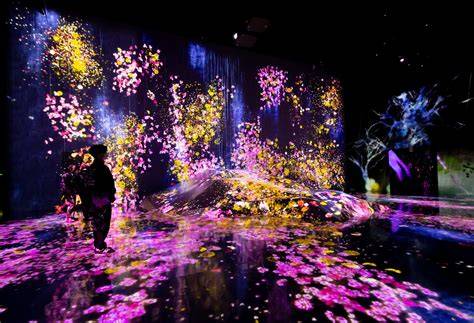
Charleville-Mézières packs an unlikely festival punch for a city of its size – from the world’s biggest puppet festival to 20-year anniversary mega-concerts and a surprising Afro-Caribbean debut – all of which demand full-body engagement, not just spectatorship.
Let me break this down by intensity level, because not everyone wants the same kind of crowd.
How does the Afro Ardennes Festival engage all five senses?
This first-ever edition on May 9, 2026, at Parc Pierquin (free entry!) proves that sensory immersion can also be loud, colorful, and communal – through rhythms, spices, textiles, and shared movement .
Honestly, this one came out of nowhere. The Afro Ardennes Festival is a grassroots project – born from a simple question: “Why isn’t there more African music and culture in the Ardennes?” . The answer? Now there will be. From 10 a.m., the park transforms with live music, food stalls wafting spices you don’t usually smell in this corner of France, and stands selling handmade textiles and crafts. The organizers (reachable at [email protected]) are clearly aiming for something intimate yet energizing. Free entry makes it a no-brainer if you’re in town that weekend.
What’s particularly interesting here is the contrast. Parc Pierquin is a quiet green space most of the year. Then, for one day, it becomes this explosion of rhythm and color. That’s sensory immersion through juxtaposition – experiencing a place transformed. The food alone is worth the trip: think spicy plantains, grilled fish, maybe some jollof rice if you’re lucky.
What makes Cabaret Vert a must for sensory seekers in 2026?
Cabaret Vert (August 20–23, 2026) isn’t just a music festival – it’s a multi-sensory ecosystem spread across a former industrial site, celebrating its 20th anniversary with a lineup mixing metal, hip-hop, electro, and comics, plus eco-conscious design that engages touch, smell, sound, and even taste .
This is the big one. Cabaret Vert started in 2005 as France’s first eco-festival. Two decades later, it’s still pushing boundaries. The 2026 lineup is frankly ridiculous for a festival this size: Deftones, Nick Cave and the Bad Seeds, Gims, Body Count (yes, Ice-T’s band), Feu! Chatterton, Charlotte Cardin, Ofenbach, and more . Over 100 concerts spread across four days .
But here’s what makes it sensory: the layout. The festival takes over the Square Bayard plain, an industrial site transformed into this weirdly beautiful mix of metal scaffolding, green spaces, and art installations. There’s a comic book festival within the festival – the Cabaret Vert Comics Prize with categories for kids, adults, and a “Knowledge Prize” . Street art installations. Film screenings. A whole village dedicated to environmental education. You’re not just listening – you’re wandering, touching, smelling the food trucks (local produce, short circuits, renewable energy) .
Two campsites: one next to the action (where the party never stops), one quieter along the Meuse . Tickets will sell out. They always do. Plan ahead.
Can a beer festival be a sensory journey? The Charleville-Mézières Beer Festival.
Absolutely – when it’s the Fête de la Bière, held in late May 2026 (exact dates vary), where you taste your way through local craft brews, often accompanied by live brass bands and the smell of sizzling sausages under the arcades of Place Ducale .
Beer festivals are easy to dismiss as just… drinking. But the Charleville version has depth. Local microbreweries set up stalls – some you’ll never find in stores – and the tradition here runs deep. Try the “Bière d’Arthur” (named after Rimbaud, obviously) and see if you can taste the difference between the Ardennes water and, say, a Belgian tripel. The setting, beneath the arcades of Place Ducale, adds a layer of historical weight to what might otherwise be a simple afternoon buzz. And there’s live music – often local groups, sometimes a fanfare – that cuts through the chatter in unexpected ways.
How does the Festival of Brotherhoods combine taste, sound, and tradition?
On May 2–3, 2026, Place Ducale hosts the 21st Festival of Brotherhoods – featuring live regional music, muskets fired in period costume, and a feast of local dishes (cacasse à cul nu, anyone?) that push gastronomic immersion to its limit .
This one is delightfully weird. Picture this: medieval costumes. Muskets being fired (blanks) by a newly formed brotherhood from Charleville. Music from local groups like Bagad Arduinn and R.ben. And food – so much local food. Cacasse à cul nu (a potato and bacon dish), boudin blanc from Rethel, carbonade de marcassin (wild boar stew), Rocroy cheese, galette à suc’ (sugar pie) . New this year: an “atelier des chefs” hosted by the Ardenne branch of the National Academy of Cuisine. Two hundred tasting portions per day – first come, first served .
But the real sensory kick? The Chevaliers Arquebusiers – a brotherhood dedicated to reviving Charleville’s weapons-manufacturing heritage – perform a live firing demonstration with period-accurate muskets. The crack of gunpowder, the smell of smoke, the cheers from the crowd… it’s jarring. It’s performative. It’s exactly the kind of constructed sensory overload that makes you question why you’re smiling. I don’t have a clean answer. But I was smiling.
What are the most unusual nature-based sensory activities near Charleville-Mézières?
Beyond festivals, the Ardennes countryside offers tactile reconnection through barefoot trails, sensory gardens, and “punk gardens” where you’re allowed – encouraged, even – to touch, smell, and taste at will.
Where can you find a “barefoot sensory trail” in the Ardennes?
The Ferme de la Planche’s 3.5km barefoot trail (just across the Belgian border, less than an hour from Charleville-Mézières) leads walkers through mud, grass, bark, and water, forcing you to rediscover the ground beneath you .
I’m not kidding. You take off your shoes. You walk. Through puddles. Over pine cones. Across warm wooden bridges and cold stream beds. The farm provides lockers for your footwear, and the route is well-marked. It’s harder than it sounds – your feet will ache after a kilometer, then go kind of numb, then start to feel… everything. The texture of damp moss. The sharp edge of a broken shell. The squish of mud between toes. It’s primal. And weirdly emotional for something so simple. The farm also has a small cafe serving local products – try the homemade cider, you’ve earned it.
What is the “Domaine de Vendresse” tactile basin experience?
Domaine de Vendresse’s “bassin tactile” is a sensory pool where visitors are invited to touch, swirl, and interact with water features and textured surfaces – often described as life-changing for how it sharpens spatial awareness .
Less known than the barefoot trail but equally worth the detour. The Domaine de Vendresse is primarily a nature and heritage site, but its tactile basin is something else. Imagine a shallow pool with different textures underfoot – smooth river stones, rough gravel, soft sand – and water jets that change pressure randomly. You’re blindfolded (optional, but recommended) and guided through by a facilitator. The point is to strip away sight and focus entirely on what your feet and hands are telling you. It sounds like new-age nonsense until you try it. Then it’s impossible to explain. Try it anyway.
How can visitors engage with local artisans for hands-on sensory immersion?

Ateliers across the Ardennes – from basket-weaving to chocolate-making – invite you not just to watch but to touch, smell, and create alongside masters of their craft, deepening your connection to place through physical work.
Where can you visit a master chocolatier’s workshop in Charleville-Mézières?
Several chocolatiers (like Maison Labbé) offer behind-the-scenes tastings and workshops where you see, smell, and temper chocolate with your own hands – a deliciously immersive bite of local expertise .
Chocolate is serious business here – the Ardennes has a surprising concentration of artisan chocolatiers, likely thanks to the region’s dairy heritage. Maison Labbé is a good starting point, though smaller producers like La Confiserie Ardennaise also offer tastings . Call ahead. Spaces fill quickly. And whatever you do, don’t skip the praline-filled dark chocolate shells. Just don’t.
What is “punk gardening” and where can you try it near Charleville-Mézières?
Atelier ReCréNature offers guided visits through its “jardin punk” – a wild, unmanicured garden where plants grow freely, followed by a workshop building insect hotels from scavenged materials, collapsing the boundary between human and nature .
Yes, “punk garden” is the actual term they use. The idea? Let the garden grow however it wants. Weeds are welcome. Dead wood stays put. Insects are co-creators, not pests. The result is a chaotic, buzzing, incredibly alive space that smells like wild mint and fermenting apples and wet earth. After the garden tour, you’ll build an insect hotel – basically a small wooden structure filled with hollow stems, pine cones, and bark, designed to shelter solitary bees and other critters. It’s messy. It’s hands-on. And it’s a perfect reminder that sensory immersion doesn’t always require silence – sometimes it requires getting your hands dirty.
Where can you find live music and nightlife that appeals to sensory explorers?
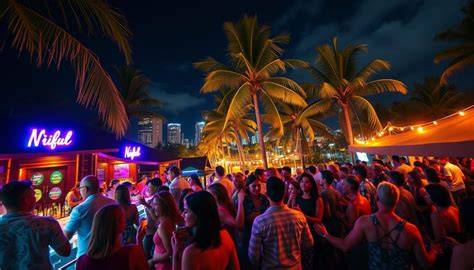
From intimate jazz clubs to floating barges turned Irish pubs, Charleville’s after-dark scene offers surprising auditory immersion – often with local musicians and a crowd that actually listens.
Which bars in Charleville-Mézières offer live music with a unique atmosphere?
Check out La Péniche – a boat-bar moored on the Meuse serving local ales and hosting Celtic music sessions – or Monsieur Le Zinc, where DJ sets and live bands create a club-like energy under vaulted arcades .
La Péniche is exactly what it sounds like: a converted barge turned into a tavern. Wooden floors, low ceilings, the gentle rock of the river beneath your feet. They specialize in local beers and ciders, and on weekend nights, there’s often a folk session – fiddles and bodhrans and voices raised in half-remembered songs. It’s small. It gets crowded. That’s the point.
Monsieur Le Zinc, by contrast, is sleek and modern – polished concrete floors, exposed brick walls, a sound system that rattles your teeth if you stand too close. DJs spin everything from funk to techno, and the crowd is young, energetic, and generally up for conversation. It’s loud. It’s sweaty. It’s sensory immersion of a completely different kind.
And don’t overlook O’Karaoké, which opened in February 2026 – yes, a karaoke bar. But here’s the twist: it’s become surprisingly popular with locals who treat it as a participatory performance space, not just drunken singing .
What sensory-rich museum exhibitions are happening in 2026?
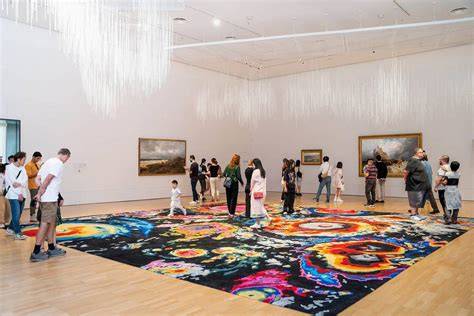
Museums here don’t just display artifacts – they invite interaction, reflection, and altered perception, particularly at the Musée Arthur Rimbaud and during special night events.
What is the “Arthur Rimbaud, entre lisible et visible” exhibition about?
Until June 14, 2026, at the Maison des Ailleurs, this exhibition traces how visual artists have interpreted Rimbaud’s poetry – blurring the line between reading and seeing, word and image, sound and sense .
Rimbaud, of course, was born in Charleville. The city leans into this hard – and the “Maison des Ailleurs” (House of Elsewheres) is a dedicated space exploring his legacy. This exhibition features illustrated books, paintings, sculptures, and multimedia installations that each try to capture the poet’s hallucinatory vision. Some pieces are literal: a painting of a boat. Others are abstract: a video loop of text dissolving into color. The curators argue that Rimbaud was, in a sense, a sensory immersion artist before the term existed – someone who wanted to systematically disorient perception to reach something truer. Whether you buy that or not, the show is thought-provoking. And it pairs well with a walk along the Meuse, trying to see the river the way Rimbaud might have.
Why should you attend the Night of Museums on May 23, 2026?
Free entry from 7 p.m. to midnight across several museums – including the Musée de l’Ardenne – turns nighttime into a playground of dim lighting, hushed whispers, and unexpected encounters with history .
European Museum Night is a continent-wide event, but Charleville does it particularly well. The Musée de l’Ardenne, housed in a former grain hall, normally feels quiet and scholarly. At night, with low lights and free-flowing wine, it transforms. You’ll find yourself staring at a 16th-century tapestry while a jazz trio plays in the corner. You’ll overhear arguments about whether that fossil is real. You’ll touch a replica of a Roman helmet because no one’s watching. It’s sensory immersion through permission – the permission to experience a familiar space in an unfamiliar way.
How can you create a DIY sensory immersion itinerary for Charleville-Mézières?
Combine flotation at Sel & Ô (morning), a barefoot walk (afternoon), a festival evening, and a night’s rest at a quirky local hotel – the sequence matters as much as the activities themselves.
The mistake most people make? They try to pack too much in. Sensory immersion requires space. Time to process. Here’s a rhythm that works:
Day 1 (Reset): Start with flotation at Sel & Ô. Don’t plan anything demanding afterward – your brain will be in a strange, liminal state. A quiet dinner at a place like Le Diapason (elegant French cuisine on Quai Rimbaud) is perfect . Early night.
Day 2 (Engage): Morning barefoot trail at Ferme de la Planche. Afternoon visiting a festival or museum exhibition. Evening live music at La Péniche or Monsieur Le Zinc, depending on your energy level.
Day 3 (Create): Workshop with a local artisan – chocolate making, basket weaving, whatever appeals. End with a quiet walk along the Meuse, no headphones, just paying attention.
Will this work for everyone? No idea. But it worked for me. And isn’t that what exploration is about – finding your own rhythm, not following someone else’s script?
What are the best unconventional places to stay for a sensory stay?
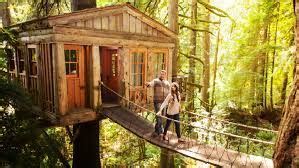
Skip chain hotels. Instead, book a night at a floating cabin on the Meuse, a retro-themed hotel like Le Dormeur du Val, or a repurposed 1610 stone building that hums with history .
Le Dormeur du Val is a standout – vibrant patterns, neon signs, family suites, a trendy bar, and it’s named after one of Rimbaud’s poems . Côté Chambres, housed in a building from 1610, offers something completely different: thick stone walls, creaking floorboards, and a host who treats guests like old friends . For the truly adventurous, search Airbnb for houseboats along the Meuse – there are a handful, and waking up to river mist and bird calls is its own kind of immersion.
Adding value: How does Charleville-Mézières compare to other “sensory” destinations?

Most sensory tourism hubs (think Iceland’s Blue Lagoon or Japan’s forest bathing trails) offer depth but lack breadth. Charleville-Mézières, by contrast, offers an unusual range – from extreme isolation to communal noise – within a single weekend, and at a fraction of the cost.
Here’s the conclusion I’ve come to after spending way too much time thinking about this: Charleville-Mézières isn’t trying to be a sensory destination. That’s what makes it work. The flotation spa exists because one guy decided to install it in his farmhouse. The puppet festival became world-famous because it grew organically from a guild of local makers. The barefoot trail? A farmer who thought, “Why not?”
So the real immersion here isn’t manufactured. It’s authentic. Messy. Sometimes contradictory. And maybe that’s the point – sensory immersion isn’t about achieving some perfect state of heightened awareness. It’s about noticing more. Paying attention. Allowing yourself to be surprised.
Will Charleville-Mézières change your life? Probably not. But it might change how you hear a river, or taste a beer, or feel the ground beneath your bare feet. And honestly? These days, that feels like enough.