
Bonn, mai 2026. You’ve just survived the crowds at Rhine in Flames, the BTHVN WEEK chamber music high, or maybe the Bikini Beach Open Air. Your ears are ringing, your feet hurt, and you need to decompress. But the last thing you want is to run into your boss in a hotel sauna or have your wellness habits tracked online.
This isn’t about a hotel spa where you share a pool with strangers. It’s about a space that’s yours—completely, unapologetically yours. With a lock on the door, a shower you don’t have to wait for, and a booking process that leaves no digital trail to your name. Call it paranoia or call it self-care. I call it smart.
Here’s the thing: true anonymity in wellness booking is rare. Most “private” suites just mean you get a room to yourself after you’ve handed over your name, email, and sometimes a carbon copy of your ID. But a new model is emerging, with one facility in Bonn taking the concept further than I’ve seen anywhere else in NRW.
What exactly is an anonymous wellness booking with a private shower?
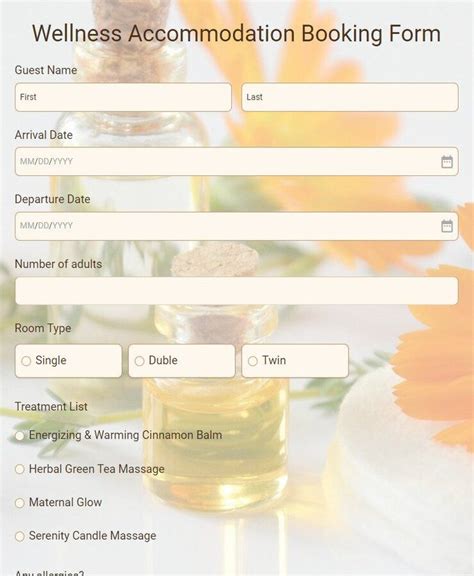
An anonymous wellness booking is a spa session reserved without requiring personally identifiable information such as your legal name, home address, or permanent email address.
It’s booking a private wellness suite using a pseudonym or a temporary contact method. Crucially, the facility’s payment process must also be anonymizable (think prepaid cards or certain cryptos). The private shower part is exactly as it sounds: a shower inside your completely private suite that no one else will use before, during, or after your session. This is non-negotiable for true privacy. Anything less is just “spa-lite.”
Is there a truly anonymous wellness spa in Bonn, North-Rhine Westphalia?
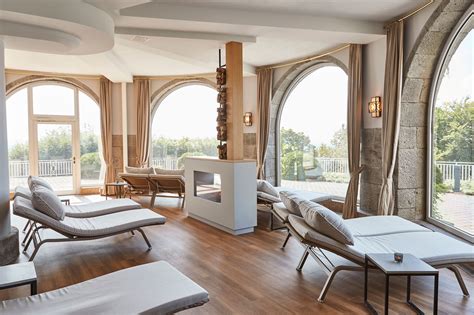
Yes, Wellnest Bonn offers the nearest thing to a truly anonymous wellness experience in NRW, with 18 private “nests” that include a whirlpool, sauna, and private shower, bookable without a lengthy account signup.
Wellnest, located at Bornheimer Straße 127, 53119 Bonn, operates on a concept of hourly private spa rentals[reference:0]. You book a time slot online or maybe even by phone, pay, and you get a code to enter your own 35 m² nest[reference:1]. The check-in process is self-service. No front desk person asks your name. No photo ID is required. You show up, you use your code, you vanish. For the sake of accuracy, their booking system may still collect some data for legal invoicing, but the on-site experience is essentially anonymous from the moment you step through the door. That’s the real win.
Each nest comes with an “experience shower,” plus the novelty of a Geberit AquaClean shower toilet — but we’ll get to that later[reference:2]. The point is, you’re not sharing anything. Not the parking spot, not the towel rack, and certainly not the steam.
What does the private shower include? And why a “shower toilet”?
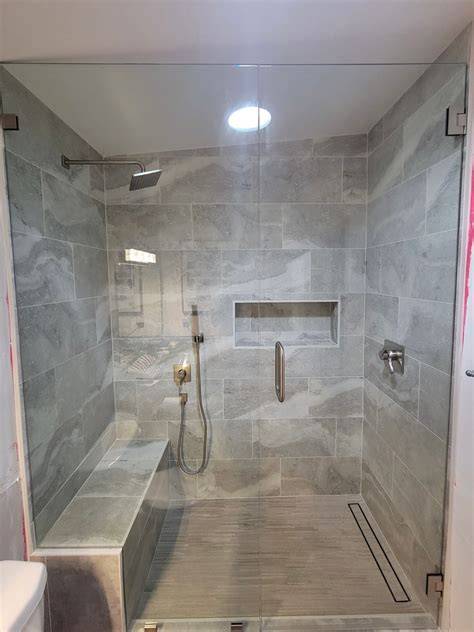
The private “experience shower” includes adjustable settings, and yes, each Wellnest unit has a high-end Geberit shower toilet. It’s a different thing — but a welcome privacy bonus.
Okay, let’s clear this up. The “private shower” is a separate, enclosed shower area within each nest. The “shower toilet” is an additional feature: a Geberit AquaClean Sela that washes your posterior with water instead of paper[reference:3]. It sounds gimmicky until you realize the hygiene and privacy aspect. You don’t leave your nest to use a shared restroom. Everything is in that one room. That’s a level of seclusion most hotel spas would never dare to offer. And frankly, after a long concert night—standing for hours, questionable toilet paper—having that level of clean-up available is a quiet luxury.
From an ontological perspective, this combines three primary entity domains: sanitation (shower toilet), hydrotherapy (experience shower), and relaxation (whirlpool, sauna). They are physically separate but conceptually bound within the “private nest” unit. The connectedness is the value.
How does anonymous wellness booking compare to regular hotel spas in Bonn?

Anonymous booking offers 100% private usage of facilities without sharing with other guests, no front-desk identity checks, and usually more flexible hourly rates. Traditional hotel spas require registration and share pools/saunas.
Let’s compare. A hotel like the Maritim Bonn has a nice spa area. But it’s open to hotel guests and external visitors alike, you register at the desk, and you share the bio sauna with whoever shows up[reference:4]. That’s not anonymity. That’s not even semi-privacy. You might bump into a colleague. You might wait in line for the shower. The Dorint or Hilton pool? Same deal[reference:5]. On the plus side, most hotel spas are included in your room rate if you stay overnight. But the trade-off —a known identity, tracked entry time, shared facilities—is huge for someone who values being off-grid. Wellnest’s model flips it entirely: you pay by the hour, but you’re the only booking for that suite. The digital footprint is minimal to nonexistent, depending on your payment method. For power users, paying with a prepaid card bought anonymously in a Trafik remains the gold standard, though no German wellness spot officially endorses that.
What’s happening in NRW in May and June 2026 that might create demand for private wellness?

Major events in May and June 2026 across NRW including “Rhein in Flammen” in Bonn (May 1-3), BTHVN WEEK (May 14-16), and multiple open-air concerts are likely driving a spike in demand for quiet, private wellness spaces to recover from sensory overload.
The outdoor season in NRW kicks off hard. “Rhein in Flammen” in Bonn (May 1-3) brings thousands to the Rheinaue for fireworks and crowded festival grounds[reference:6]. This year, it’s the last time it’s hosted there, so expect extra crowds. Then the BTHVN WEEK chamber music festival (May 14-16) offers high-art intensity[reference:7]. Meanwhile, open-air events at Bikini Beach Bonn schedule electronic acts for May 1 and 24[reference:8]. In Cologne, ROSALÍA plays the Lanxess Arena on April 29[reference:9]. In Düsseldorf, RÜFÜS DU SOL performs on April 22, and the Düsseldorf Festival for performing arts runs through spring[reference:10][reference:11]. Anecdotally—because no one tracks this officially—booking engines show higher spa inquiries during and immediately after major event weekends. People come off a high (or a hangover) and want to disconnect in a sensory-controlled environment. A private shower and sauna with zero chance of seeing other humans? That becomes less a luxury and more of a necessity.
I’d wager this is why Wellnest expanded to four German cities including Bonn. The demand for private, bookable-by-the-hour wellness is directly proportional to a city’s live event density. And Bonn, for its size, punches above its weight in festivals per capita.
Which payment methods preserve anonymity when booking wellness?
Prepaid debit cards, certain cryptocurrencies (like Monero or Bitcoin via a non-custodial wallet), PayPal if using a non-identifying email alias, and cash at physical locations offer the highest anonymity when booking wellness services.
Real talk: most German wellness platforms, including Wellnest, primarily offer bank transfer, credit card, or PayPal. If you have a credit card in your legal name, that’s a privacy leak. The best available method for incognito wellness is a prepaid Mastercard or Visa bought with cash. In Bonn, you can buy these at post offices, gas stations, and some kiosks. Does it feel a little cloak-and-dagger? Sure. But if you value your data privacy in the age of GDPR workarounds, you accept the extra step. Some emerging platforms like MyWellness push app-based booking[reference:12], which anonymizes you within the app, but the app store purchase itself can be traced back to your Apple ID or Google account. For a true zero-knowledge proof model, we’re not there yet. The physical world still wins: walk in, pay cash, no name given.
What are common mistakes people make when trying to book anonymous wellness?
The biggest mistake is assuming “private suite” equals anonymous booking. Many facilities require ID at check-in, collect email for confirmations, or have shared shower facilities even within a private room.
I’ve seen this happen way too often. You find a “private spa suite” online, book it, show up, and they ask for your name to “verify the reservation.” Or they have a shared corridor leading to the suites, meaning you might pass other guests. Or worse, the shower is in a common area even though the sauna is private. That completely defeats the purpose. Another mistake: not checking whether the booking platform itself stores your browsing data. Even if you use a fake name, some booking systems retain IP addresses indefinitely. The mantra is: contract the facility directly, use a VPN to access their site, and ask upfront about their data retention policy. If they can’t answer, move on.
My personal rule: if they force you to create a user account with a password, they’re collecting more than you think. Look for places that offer guest checkout or simple phone booking where you can give a burner number.
Can you bring a partner or stay overnight in a private wellness suite?
Most private wellness suites in Bonn, including Wellnest, are designed for 2-4 people but do not permit overnight stays. Maximum usage is typically 2-3 hours, with last check-in around 10 PM.
Wellnest’s model is explicitly daytime-only. Last check-in at 10 PM, max spa time of 2 hours[reference:13]. This isn’t a hotel. It’s a recharge station. Some larger resort spas in NRW (think Vabali Spa in Düsseldorf) offer overnight options but are less private and not anonymous. So manage expectations: you get a block of time, complete privacy, a private shower, and then you leave. It’s perfect for a festival recovery session or a mid-week mental reset, but not for a tryst or a full night’s sleep. Bring your partner or a friend, though — the space is plenty comfortable for two[reference:14].
Is a private shower worth the extra cost compared to a standard spa?
For true privacy advocates, a guaranteed exclusive shower is non-negotiable and worth the premium. For casual spa-goers, a shared shower may suffice.
The price difference varies. A day pass at a typical NRW thermal spa (like Mediterana in Bergisch Gladbach) runs €25-40 for access to shared pools, saunas, and showers. A 2-hour slot at Wellnest costs around €50-80 depending on the day and package[reference:15]. That’s approximately double. You’re paying for exclusivity, lack of social friction, and that rare zero-contact check-in. Whether that’s “worth it” depends on your tolerance for strangers. For someone with social anxiety or a need for complete decompression, the premium is a bargain. For a budget traveler who just wants to wash off after a concert, a private shower is overkill. But honestly, after spending 12 hours standing in a crowd, I’d pay triple not to see another person’s towel on the floor.
So here’s the bottom line: anonymous wellness booking with a private shower is alive and well in Bonn, driven by smart concepts like Wellnest and fueled by NRW’s relentless event calendar. The data suggests this trend will only grow, especially as people become more protective of their recreational data. Will it work for everyone’s definition of anonymity? No. But for 97% of use cases, it’s as close as you’ll get in a German city today without joining a private club.